

A practical, honest guide from Gas Safe registered heating engineers serving Essex and Southend-on-Sea.
If your radiators have cold spots, your boiler sounds like it is struggling, or your energy bills have crept up without any obvious reason, there is a good chance your central heating system has built up a layer of sludge, rust and debris inside the pipework. A power flush is the most effective way to remove it.
But what actually happens during a power flush? Most homeowners have heard the term but have little idea what the process involves, how long it takes, or what to expect on the day. This guide walks you through the entire process from start to finish, explains what the engineer is doing at each stage and helps you decide whether a power flush is the right solution for your home.
Watch What Happens During a Power Flush
Watch our video below where our Gas Safe Registered Engineer, Kyle Perry, walks you through how we carry out a power flush.
What Is a Power Flush and Why Does It Matter?
A power flush is a deep, intensive cleaning process for your central heating system. Over time, the water circulating through your pipes, radiators and boiler picks up rust particles, limescale and other debris. This gradually forms a dark, thick sludge that settles inside your system and restricts water flow.
The problem with sludge is that it works slowly and silently. You might not notice anything dramatic at first, just radiators that take a little longer to warm up, a boiler that seems to work harder than it used to, or a heating bill that has edged upwards season by season. Left unchecked, that sludge can cause significant damage to your boiler’s heat exchanger, pump and other key components.
A power flush uses a specialist high-flow, low-pressure pumping machine to circulate water and heavy-duty cleaning chemicals through your entire system, breaking down and removing those deposits to restore proper circulation and efficiency.
Benefits of a Power Flush
How Long Does a Power Flush Take?
Signs You Need a Power Flush
Before we get into what happens on the day, it is worth confirming whether a power flush is actually what your system needs. The most common signs include:
Signs your heating system needs a power flush
- ✓Cold spots on radiators
- ✓Radiators slow to heat up
- ✓Boiler making banging or kettling noises
- ✓Dirty or discoloured water when bleeding radiators
- ✓Rising energy bills without any change in usage
- ✓Radiators needing frequent bleeding
- ✓Uneven heat distribution across rooms
- ✓Boiler working harder than usual
Thinking about a power flush in Essex?
Power flushing from £700, all chemicals included.
Stage One: The Initial Assessment
Before any machine gets connected, a good engineer will spend time assessing your system properly. This is not a box-ticking exercise. It is a genuine diagnostic step that determines whether a power flush is the right solution for your home and identifies which areas of the system have the worst build-up.
The engineer will check each radiator by hand, feeling for temperature differences between the top and bottom and between different radiators across the property. They will bleed a radiator to inspect the colour of the water coming out. Dark brown or black water is a clear indicator of significant sludge, while relatively clear water may suggest the system is in reasonable condition.
If the engineer has any doubts about whether a power flush will be effective, for example if the pipework is too old or corroded to withstand the process, they will tell you honestly rather than proceed with a job that may cause more harm than good.
Stage Two: Connecting the Flushing Machine
Once the assessment confirms a power flush is appropriate, the engineer connects the specialist pumping unit to your central heating system. This is typically done by connecting directly to the pipework at the pump head, or in some cases by temporarily removing a radiator to provide an access point for the machine.
The flushing unit creates a closed loop with your existing pipework, allowing water and chemicals to be circulated at high velocity through the entire system without needing to drain and refill it conventionally.
Stage Three: The Chemical Flush
With the machine connected and running, the engineer introduces specialist central heating cleaning chemicals into the system. These are not household products. They are industrial-grade formulations designed specifically to break down magnetite sludge, rust and limescale from within pipework and radiator panels.
The machine pumps this chemical solution through your pipes and radiators at high flow, low pressure, which is important. Unlike pressure washing, the aim is not to blast debris loose with brute force but to circulate the chemicals thoroughly enough that they can get to work on even stubborn deposits in corners and bends.
The engineer will periodically reverse the direction of flow using the machine’s directional valves. This creates turbulence within the system that dislodges trapped debris and prevents it from settling again in a different part of the pipework.
Stage Four: Targeting Individual Radiators
This is the part of the process that separates a thorough power flush from a rushed one, and it is worth asking your engineer specifically about how they approach this stage.
Rather than simply circulating chemicals through the whole system at once and hoping for the best, a proper power flush involves targeting each radiator individually. The engineer closes off all radiators except for one, directing the full force of the flush through that single radiator before moving on to the next. This ensures every radiator receives maximum attention and that no problem area is glossed over.
Radiators with the worst cold spots or the most significant sludge build-up will typically take longer to clear and may require multiple passes before the water running through them comes out clean.
Stage Five: Rinsing the System
Once the cleaning chemicals have done their work and all radiators have been individually flushed, the engineer introduces clean mains water to rinse the system. This pushes the contaminated water, now carrying all the loosened sludge, rust and debris, out of your heating circuit and into an external drain.
The engineer will monitor the clarity of the water being discharged throughout this stage. The process continues until the water running out of the system is completely clear. This is an important quality check and a good engineer will not call the flush complete until the water genuinely runs clean rather than stopping at the point where it looks roughly acceptable.
Engineer’s tip
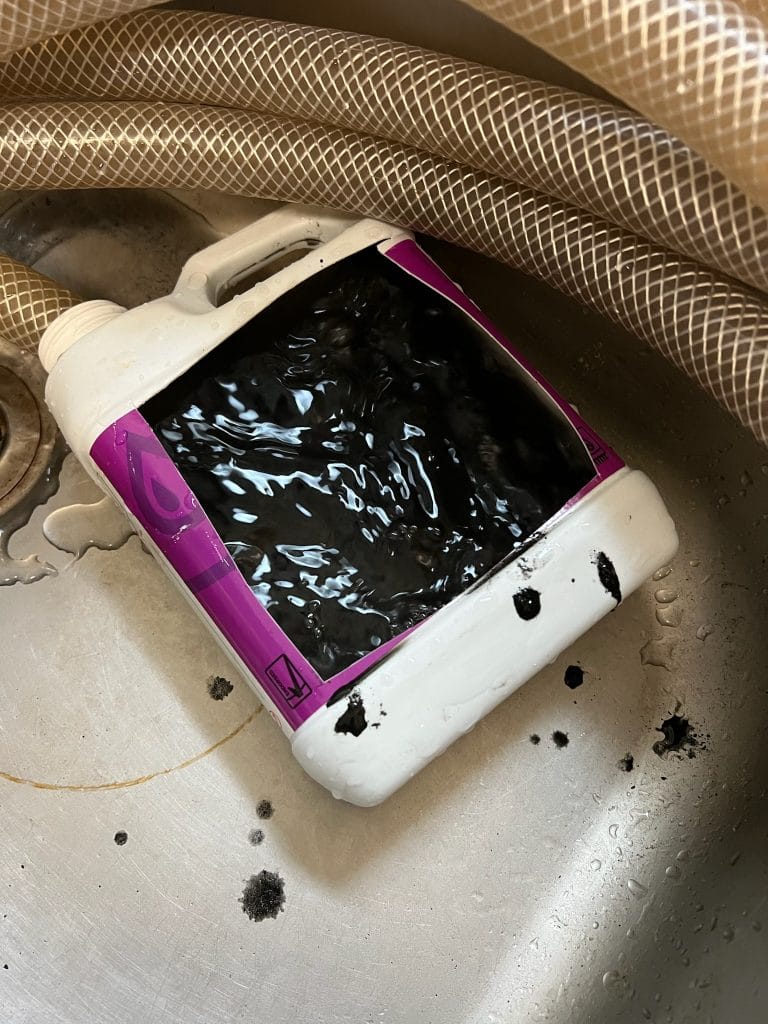
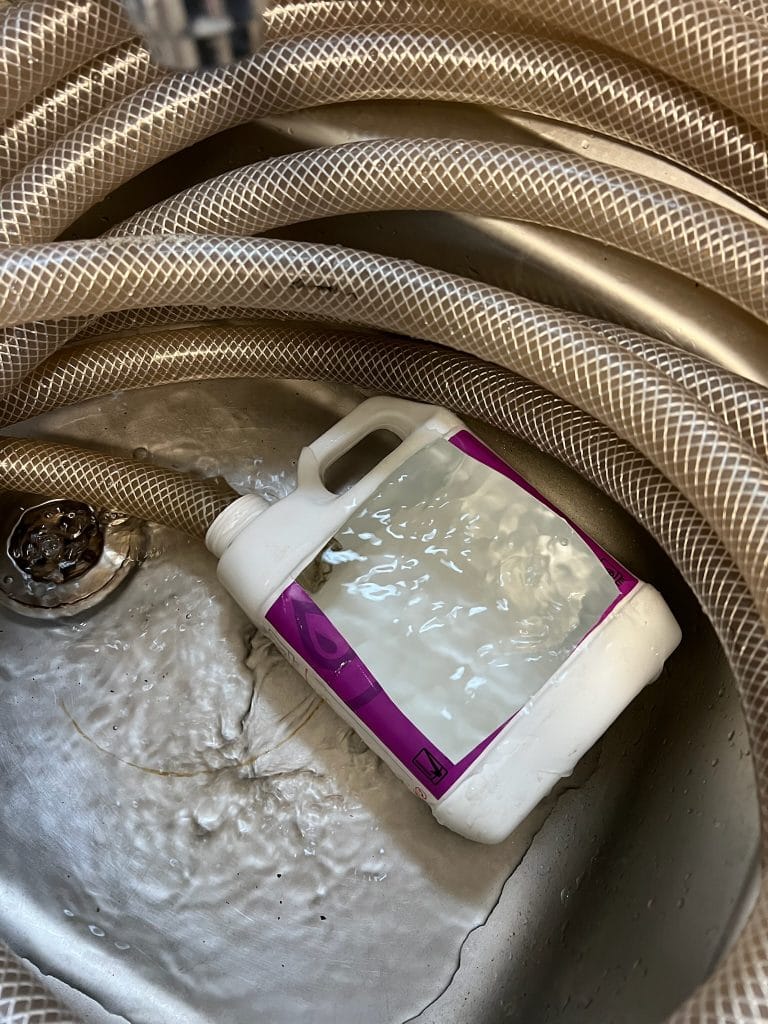
A good engineer will show you the water coming out of your system before and after the flush. The difference is often dramatic, going from dark brown or black sludge to completely clear water. If yours does not offer to show you, ask them to. It is the most visible proof that the process has worked.
Stage Six: Neutralising the System
If the cleaning chemicals used during the flush were acidic, which many effective central heating cleaners are, a neutralising agent is circulated through the system after rinsing. This brings the pH of the water within the system back to a safe, neutral level and stops any residual cleaner from continuing to interact with pipework and components once the flush is complete.
Stage Seven: Adding the Inhibitor
The final and arguably most important step is the addition of a central heating inhibitor. This is a chemical compound that coats the inside of your pipes and radiators, significantly slowing the rate at which rust and sludge can build up again in the future.
Without inhibitor, a freshly flushed system will begin accumulating new deposits relatively quickly, particularly in hard water areas. With inhibitor properly added and maintained, the results of a power flush can last for many years. Most manufacturers of central heating inhibitor, including Fernox and Sentinel, recommend inhibitor levels are checked annually at the time of the boiler service.
Good to know
A power flush alone is not a permanent solution if your system has no inhibitor protection going forward. Make sure your engineer adds a quality inhibitor at the end of the process and have your inhibitor levels checked at each annual boiler service to keep your system protected.
Water Before a Power Flush
Water After a Power Flush
What Difference Will You Notice Afterwards?
Most homeowners notice an improvement in their heating performance immediately or within the first few heating cycles after a power flush. Radiators should heat more evenly from top to bottom, the boiler should run more quietly without kettling or banging, and rooms that previously struggled to reach temperature should warm up noticeably more quickly.
The financial benefit builds over time. A heating system operating with clean, unobstructed pipework uses less gas to achieve the same result. Over a full heating season, the saving on energy bills can be significant, particularly in homes where the system has been struggling for several years.
For a broader look at whether power flushing is right for your property, read our full guide on what power flushing is and when you need it.
Is a Power Flush Worth It?
For most homes with a heating system that has been in place for ten years or more and is showing signs of sludge build-up, the answer is yes. The upfront cost is offset by improved efficiency, lower running costs, fewer breakdowns and a longer working life for the boiler.
The key is having the work carried out properly by an experienced engineer using the right equipment. A rushed power flush that skips individual radiator targeting or does not add inhibitor at the end is not worth the money. A thorough job, done properly, should deliver results you notice immediately and protection that lasts for years. Find out more about our professional power flushing service in Essex.
Ready to book a power flush in Essex?
At Kyle R. C. Perry Heating and Plumbing Ltd, our Gas Safe registered engineers carry out professional power flushing across Southend-on-Sea, Leigh-on-Sea, Basildon, Billericay, Westcliff-on-Sea and the wider Essex area. Power flushing starts from £700, with all cleaning and inhibitor chemicals included.